
The Japanese Approach to Skincare: Why "Made in Japan" Means Excellence

Japan has earned its reputation as a global leader in skincare innovation. Walk into any beauty store from Paris to New York, and you'll find Japanese products commanding premium shelf space. But this reputation wasn't built overnight — it's the result of centuries of cultural dedication to skincare excellence, combined with modern scientific rigor that few countries can match.
A Culture Built on Skincare
In Japan, beautiful skin isn't considered a luxury — it's a fundamental aspect of personal care that begins in childhood. Japanese women are taught skincare routines by their mothers and grandmothers, creating an unbroken chain of beauty wisdom passed down through generations.
This cultural emphasis on skin health has shaped the entire Japanese beauty industry. While Western beauty culture has historically focused on makeup to cover imperfections, Japanese beauty philosophy prioritizes achieving naturally flawless skin that needs minimal makeup. The Japanese term "mochi-hada" — meaning skin as soft and smooth as mochi rice cake — perfectly captures this ideal.
This philosophy extends beyond vanity. In Japanese culture, taking care of your skin is seen as a form of self-respect and discipline. The daily skincare ritual becomes a moment of mindfulness, a practice of self-care that benefits both skin and spirit.
The Science Behind Japanese Cosmetics
Japan's leadership in skincare isn't just cultural — it's deeply scientific. The country invests more in cosmetic research and development than almost any other nation, and Japanese cosmetic patents consistently rank among the most innovative globally.
Several factors contribute to Japan's scientific edge in cosmetics:
- Pharmaceutical Heritage. Many of Japan's leading cosmetic companies, including Shiseido and Kanebo, began as pharmaceutical companies. This heritage means they approach skincare with the same rigor applied to medicine — extensive clinical testing, precise formulation, and unwavering quality control.
- Government Regulation. Japan's Ministry of Health, Labour and Welfare maintains some of the world's strictest cosmetic regulations. Before any product reaches Japanese shelves, it must meet exacting safety and efficacy standards. Ingredients banned or restricted in Japan often remain legal in other markets for years before similar restrictions are implemented.
- Academic Collaboration. Japanese cosmetic companies maintain close partnerships with universities and research institutions. This collaboration accelerates innovation, bringing laboratory breakthroughs to consumers faster than in markets where academia and industry remain separate.
- Long-term Research Commitment. While Western companies often chase quick trends, Japanese brands invest in decade-long research programs. Shiseido's research into skin aging, for example, spans over 100 years of continuous study.
What "Made in Japan" Really Means
When you see "Made in Japan" on a skincare product, you're not just seeing a country of origin — you're seeing a promise of quality that encompasses every aspect of production.
Japanese manufacturing follows the principle of "monozukuri" — a concept that translates roughly as "the art of making things" but carries much deeper meaning. Monozukuri represents a commitment to craftsmanship, continuous improvement, and pride in creation that permeates Japanese manufacturing culture.
In cosmetics production, this philosophy manifests in several ways:
- Ingredient Sourcing. Japanese manufacturers often maintain direct relationships with ingredient suppliers, sometimes for generations. This ensures consistent quality and allows for complete traceability of every component.
- Production Environment. Japanese cosmetic factories maintain clean-room standards that rival pharmaceutical facilities. Temperature, humidity, and air purity are precisely controlled to prevent any contamination or degradation of active ingredients.
- Quality Testing. Products undergo multiple quality checks throughout production — not just at the end. Every batch is tested for purity, potency, and stability before release.
- Packaging Precision. Even packaging receives meticulous attention. Japanese cosmetic packaging is designed not just for aesthetics but for optimal product preservation, precise dispensing, and user experience.
The Layering Philosophy: More Steps, Better Results
One of the most distinctive aspects of Japanese skincare is the multi-step routine. While Western routines often emphasize simplicity — cleanser, moisturizer, done — Japanese routines embrace layering multiple products, each with a specific purpose.
A traditional Japanese skincare routine includes these essential steps:
- Oil Cleanser — Removes makeup and sunscreen
- Foam Cleanser — Deep cleans pores and removes remaining impurities
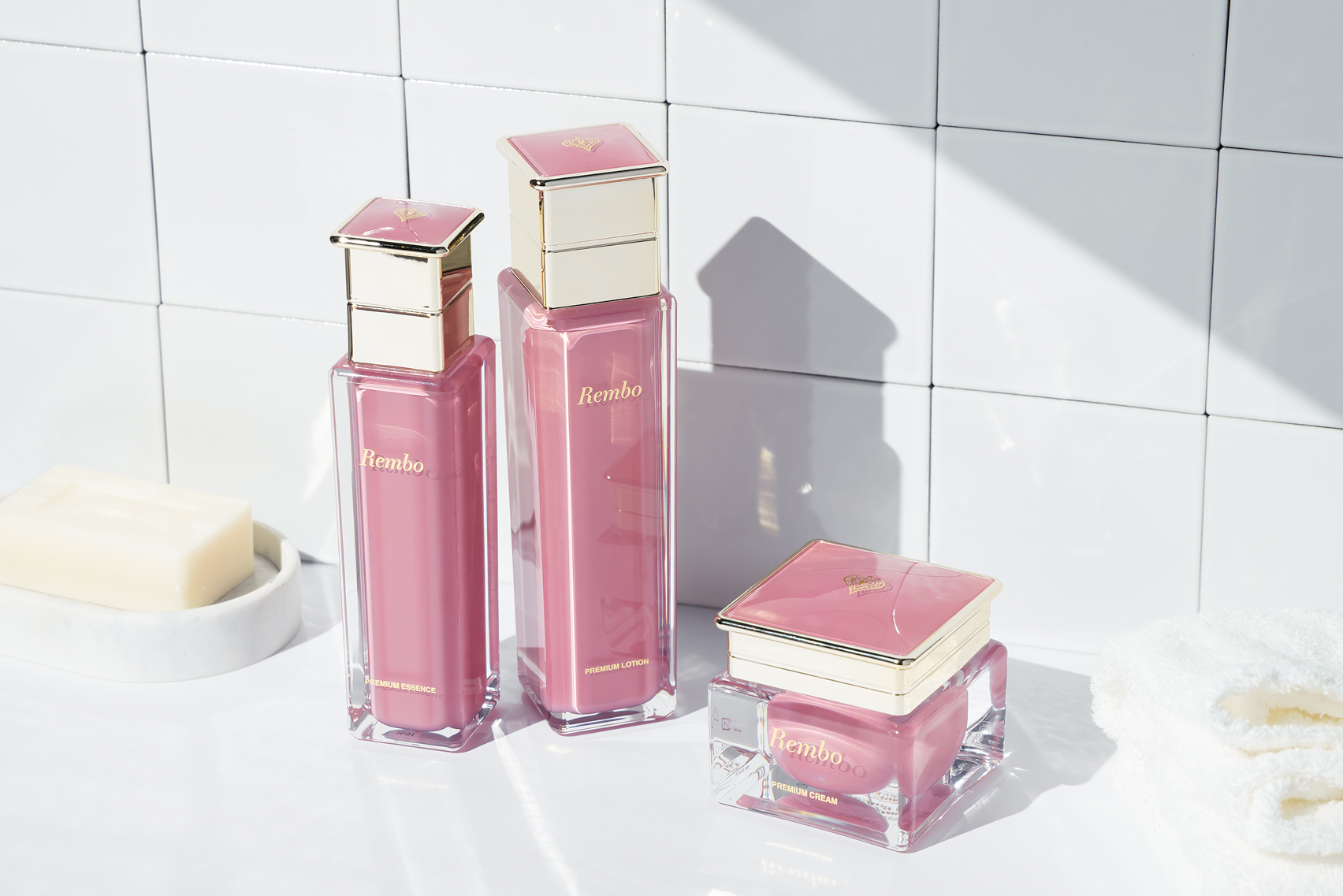
- Lotion (Toner) — Balances pH and prepares skin to absorb subsequent products
- Essence — Delivers concentrated active ingredients deep into skin
- Serum — Targets specific concerns like wrinkles or dark spots
- Cream — Seals in all previous layers and provides lasting hydration
- Sunscreen (morning) — Protects against UV damage
This approach might seem excessive to those accustomed to minimal routines, but the science supports it. Each layer serves a specific function, and the order of application is carefully designed to maximize absorption and efficacy. Lighter, water-based products go first, followed by progressively richer formulas. This ensures that active ingredients penetrate effectively rather than sitting on the skin's surface.
The layering approach also allows for customization. On days when your skin feels dry, you might add an extra hydrating essence. When dealing with a breakout, you can incorporate a targeted treatment serum. This flexibility makes Japanese routines adaptable to your skin's changing needs.
Key Ingredients in Japanese Skincare
Japanese formulations often feature ingredients rarely seen in Western products. These ingredients reflect both traditional Japanese beauty wisdom and cutting-edge scientific research:
- Rice Bran (Komenuka). Japanese women have used rice water for skin brightening since ancient times. Modern research confirms that rice bran contains ferulic acid, a powerful antioxidant, plus natural moisturizing factors that support skin hydration.
- Sake Lees (Sake Kasu). The byproduct of sake brewing, sake lees are rich in amino acids, vitamins, and kojic acid — a natural skin brightener. Brewery workers who handle sake lees daily are famous for their remarkably soft, youthful hands.
- Camellia Oil (Tsubaki). Pressed from the seeds of the Japanese camellia flower, this lightweight oil has been a beauty staple for over 1,000 years. It's rich in oleic acid, which closely resembles human sebum, making it exceptionally compatible with skin.
- Green Tea (Matcha). Beyond its antioxidant benefits, Japanese green tea contains EGCG, a compound shown to protect against UV damage and support skin's natural repair processes.
- Seaweed Extracts. Japan's coastal culture has long recognized the beauty benefits of seaweed. These marine ingredients provide minerals, amino acids, and polysaccharides that support hydration and skin barrier function.
- Human Stem Cell Cultures. At the cutting edge of Japanese skincare science, stem cell technology represents the newest frontier. Japanese researchers have pioneered the use of human stem cell culture medium in cosmetics, harnessing growth factors and peptides that communicate with skin at the cellular level.
The Rise of Doctor's Cosmetics
A significant trend in Japanese skincare is the emergence of "Doctor's Cosmetics" — products developed under direct physician supervision. This category has grown substantially as consumers seek science-backed solutions rather than marketing-driven promises.
True Doctor's Cosmetics differ from conventional products in several important ways:
- Formulation Expertise. Physicians bring medical knowledge of skin biology to product development, resulting in formulas that work with skin's natural processes rather than against them.
- Clinical Approach. Doctor-developed products often undergo more rigorous testing, including clinical studies on human subjects, before release.
- Ingredient Selection. Medical professionals are more likely to choose ingredients based on published research rather than beauty industry trends.
- Concentration Levels. Doctor's Cosmetics typically contain higher concentrations of active ingredients, approaching levels used in medical-grade treatments.
However, consumers should note that the term "doctor-supervised" is loosely regulated. Many products claim physician involvement when a doctor has merely reviewed the final formula. The most authentic Doctor's Cosmetics come from brands where physicians are directly involved in every stage — from concept to ingredient sourcing to manufacturing oversight.
Clean Beauty, Japanese Style
Long before "clean beauty" became a Western marketing trend, Japanese cosmetics already adhered to minimalist formulation principles. The Japanese concept of "less is more" applies not to the number of skincare steps but to what goes into each product.
Traditional Japanese formulations avoid unnecessary additives. You'll rarely find artificial fragrances, synthetic dyes, or harsh preservatives in quality Japanese skincare. This isn't a marketing decision — it reflects the Japanese belief that skincare should contain only what skin truly needs.
Modern Japanese clean beauty typically excludes:
- Parabens
- Synthetic fragrances
- Artificial colorants
- Mineral oils
- Sulfates
- Phthalates
- Formaldehyde-releasing preservatives
This clean approach makes Japanese products particularly suitable for sensitive skin — a consideration that reflects Japan's attention to diverse skin needs.
Sustainability and Respect for Nature
Japanese culture's deep respect for nature ("shizen") influences cosmetic development in meaningful ways. Many Japanese brands prioritize sustainable ingredient sourcing, recyclable or minimal packaging, and cruelty-free testing methods.
The concept of "mottainai" — a sense of regret over waste — drives Japanese manufacturers to use resources efficiently. This might mean utilizing every part of an ingredient (like using both rice bran and rice water) or designing packaging that minimizes environmental impact.
Why Japanese Skincare Commands Premium Prices
Quality Japanese skincare often costs more than mass-market alternatives, and understanding why helps appreciate the value:
- Research Investment. Years of development and testing go into each formula before it reaches consumers.
- Ingredient Quality. Premium raw materials, often sourced from specific regions or specialty suppliers, cost more than commodity ingredients.
- Manufacturing Standards. Clean-room production, multiple quality checks, and skilled workers add to production costs.
- Smaller Batches. Many Japanese brands produce in smaller quantities to ensure freshness and quality control.
- Regulatory Compliance. Meeting Japan's strict cosmetic regulations requires investment in testing and documentation.
When you invest in Japanese skincare, you're paying for genuine quality differences — not just premium branding.
Bringing Japanese Skincare into Your Routine
You don't need to adopt a ten-step routine to benefit from Japanese skincare wisdom. Start by incorporating these principles:
- Focus on hydration. Japanese skincare emphasizes keeping skin thoroughly hydrated at every step. Well-hydrated skin functions better, ages more gracefully, and looks naturally radiant.
- Layer thoughtfully. Apply products from thinnest to thickest consistency, giving each layer a moment to absorb before adding the next.
- Be consistent. Japanese beauty culture values daily dedication over occasional intensive treatments. Consistent, gentle care yields better results than sporadic aggressive treatments.
- Protect from sun. Japanese women are renowned for their sun protection habits. Daily SPF use is non-negotiable in Japanese skincare philosophy.
- Choose quality over quantity. Better to invest in fewer, high-quality products than to accumulate many mediocre ones.
The Future of Japanese Skincare
Japanese cosmetic innovation shows no signs of slowing. Current research frontiers include personalized skincare formulated based on individual genetic profiles, microbiome-supporting products that nurture beneficial skin bacteria, advanced delivery systems that carry active ingredients deeper into skin, and sustainable biotechnology that produces high-performance ingredients with minimal environmental impact.
As these innovations mature, Japanese brands will likely lead their commercialization — continuing a tradition of skincare excellence that stretches back centuries while pushing boldly into the future.
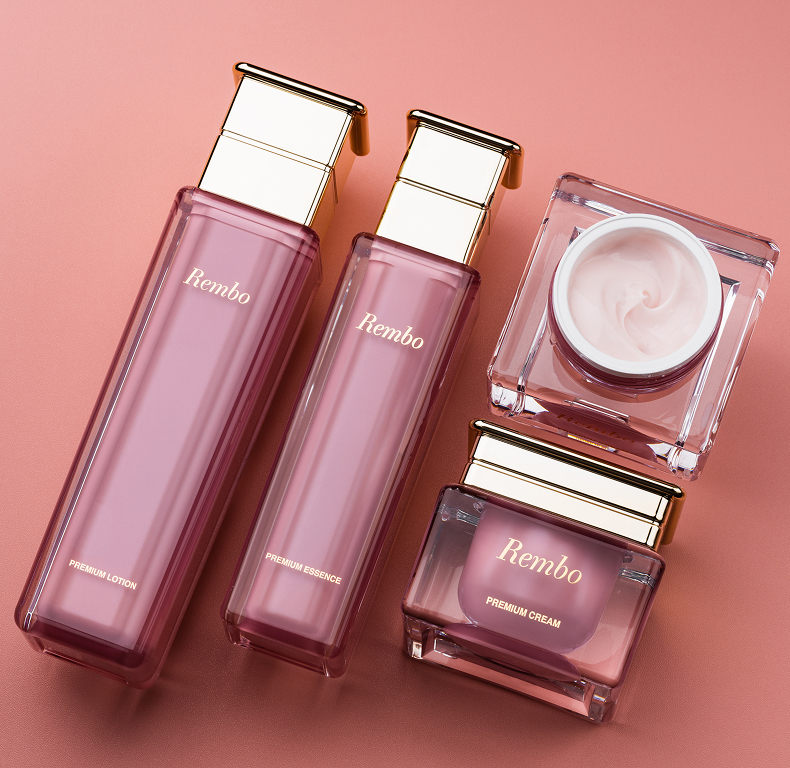
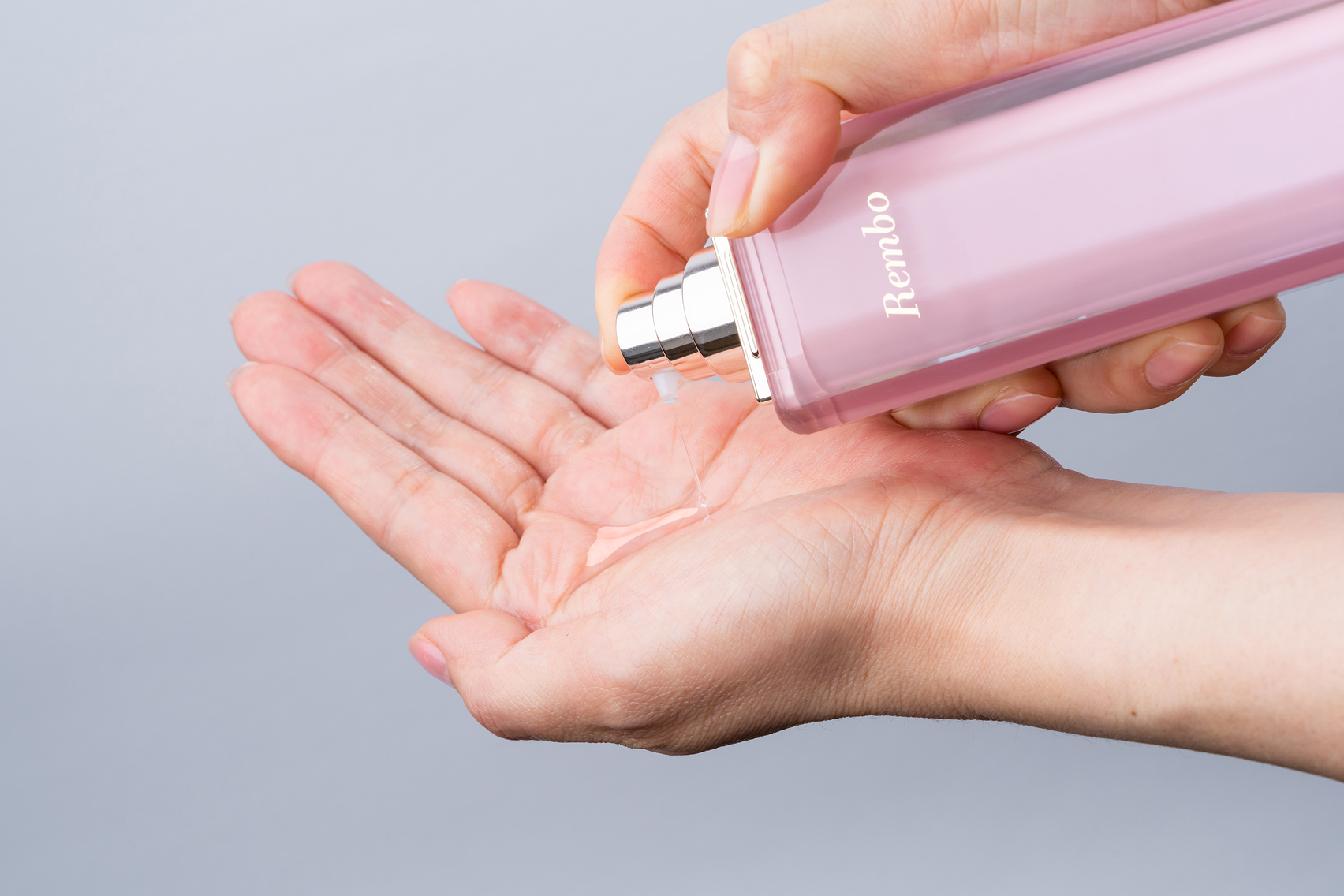
Experience the Japanese approach to skincare with Rembo — where centuries of beauty wisdom meet cutting-edge stem cell science, all crafted at our own facility in Japan.